

About Dan.
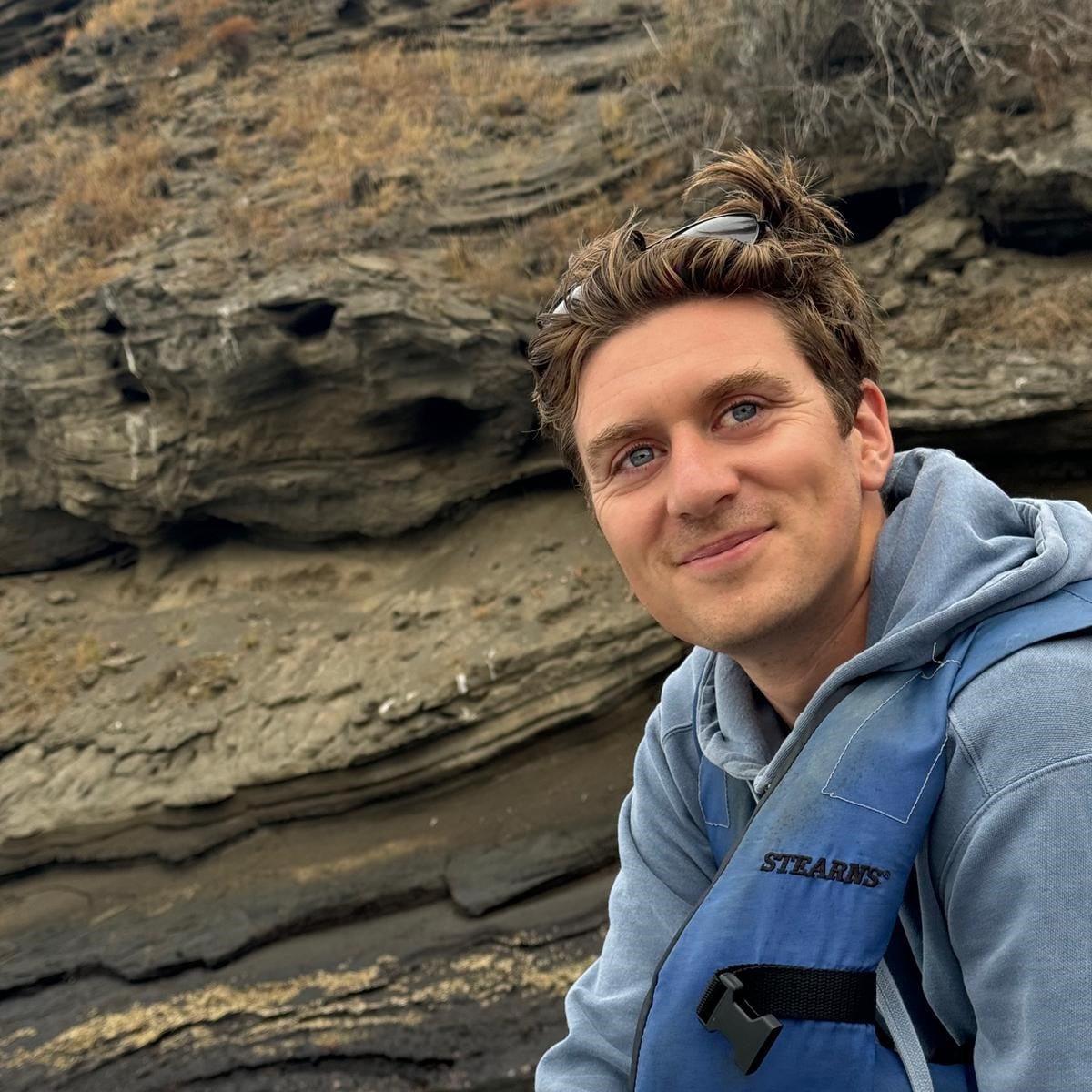
PADI Staff Instructor · fish nerd · a decade of private instruction across the world.
I've spent the last ten years teaching divers in resorts, on boats, and in dive centres around the world. This has given me a strong understanding of what better training actually looks like.
— Credentials —
— Certifications
- PADI IDC Staff Instructor
- EFR Instructor
- STCW Basic Safety Training — current
- ENG1 Seafarer Medical — current
— Additional ratings —
- SSI Advanced Open Water Instructor
- TDI Trimix (recreational level)
— PADI Specialty Instructor
- Deep
- Wreck
- Nitrox
- Night
- Navigation
- Peak Performance Buoyancy
- Oxygen Provider
- Underwater Photography
— Awards —
Available across the UK, The Philippines, Thailand, Palau, Malaysia, and across South East Asia; Charter seasons & Mediterranean. Everywhere else — reachable, given notice to plan it properly. Where do you want to learn?
— The Practice —
Expert teaching.Private planning. Every detail handled.
Most new divers assume their course covered what it needed to. And for most of them, the certification card says it did. The difficulty is that you have no basis for comparison— you've only been taught once, so you can't know what was rushed, what was skipped, or what was explained only briefly. The gaps surface later, usually on your fifteenth or fiftieth dive, when something that should have been a reflex feels unfamiliar. This isn't a problem with instructors, most of whom are genuinely skilled.
It's a problem with the time and pricing structures they work under.
A good open water course needs three things in balance: theoretical knowledge, expert in-water training, and time. Theory is a fixed standard — set by the agency, covered by every reputable course. What gets squeezed, inevitably, is time. Resort schedules, competitive pricing, and the group-course economics every instructor works inside all pull in the same direction — compressing the hours you have to practice what the theory describes. Buoyancy control in particular is as much a feeling you develop through repetition as it is an understanding of physics — a calibration of breath, weight, and balance that no amount of theory can substitute for. It takes time.
So how do we do this?
We run private courses only — one to one, two to one, or up to four to one for families and close friends. Every course is planned around your schedule, not ours, so the time we need is the time we take. And because time is the commitment we've made, we build it in beyond the standard. Knowledge development sessions — in person, building on the e-learning with real-world application. A Nitrox course included as standard, to broaden your dive theory from the start. And additional training dives above the standard requirements, to build confidence and competency with the instructor who has taught you from day one.
We take on a small number of clients each year — couples, families, and those returning to the water after years away.
— Dan Lipton
PADI Staff Instructor
— From the field
— Personal —
Why North of Ordinary?
 01
01The Way I Work
The Way I Work
Learning to dive should be fun. After a decade of teaching, I still genuinely love introducing people to the sport — you won't find me in a bad mood when I'm in the water. There's no such thing as a dumb question in my courses; I've seen every mistake and answered every question, so nothing is going to shock me or embarrass you.
 02
02Responsibility
Responsibility
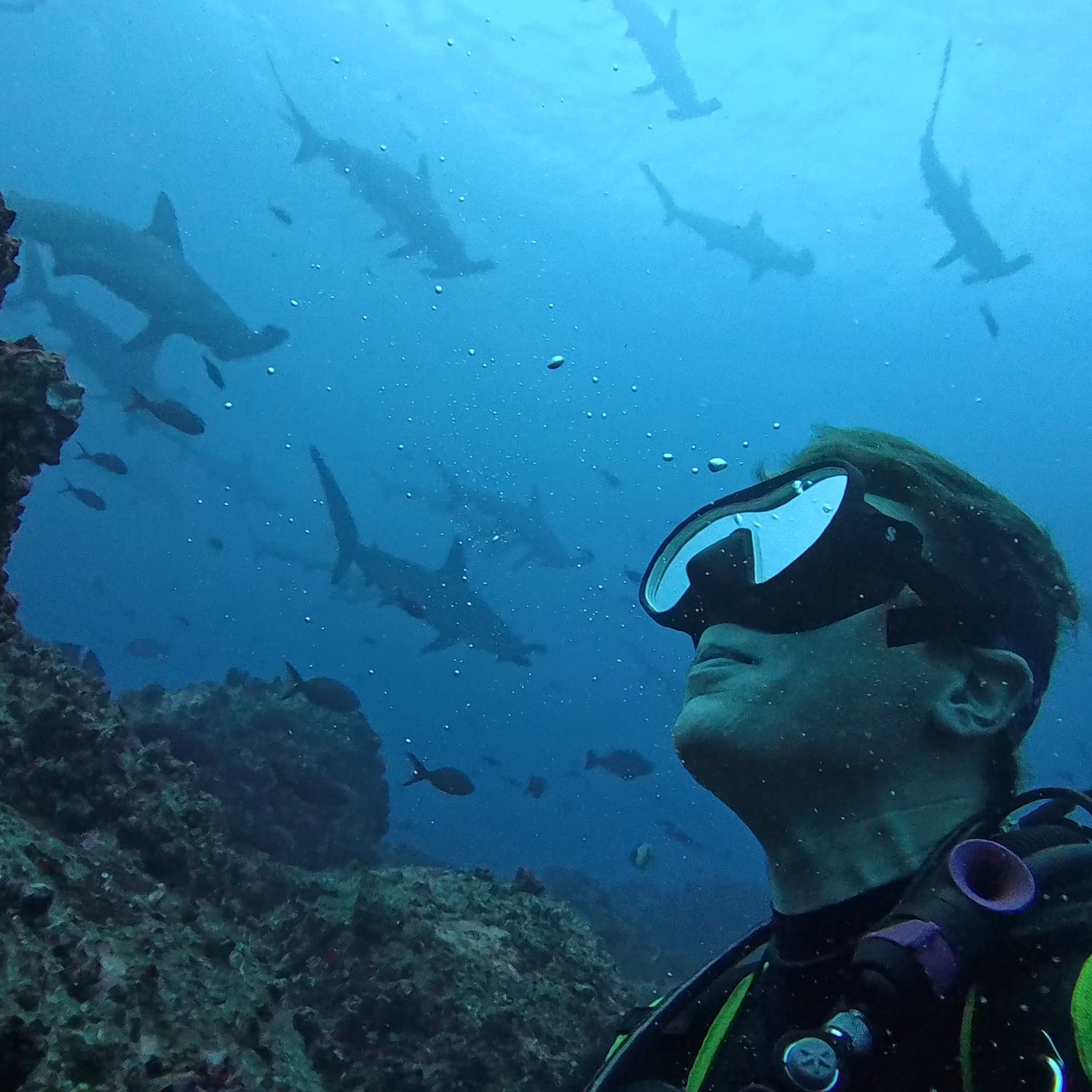
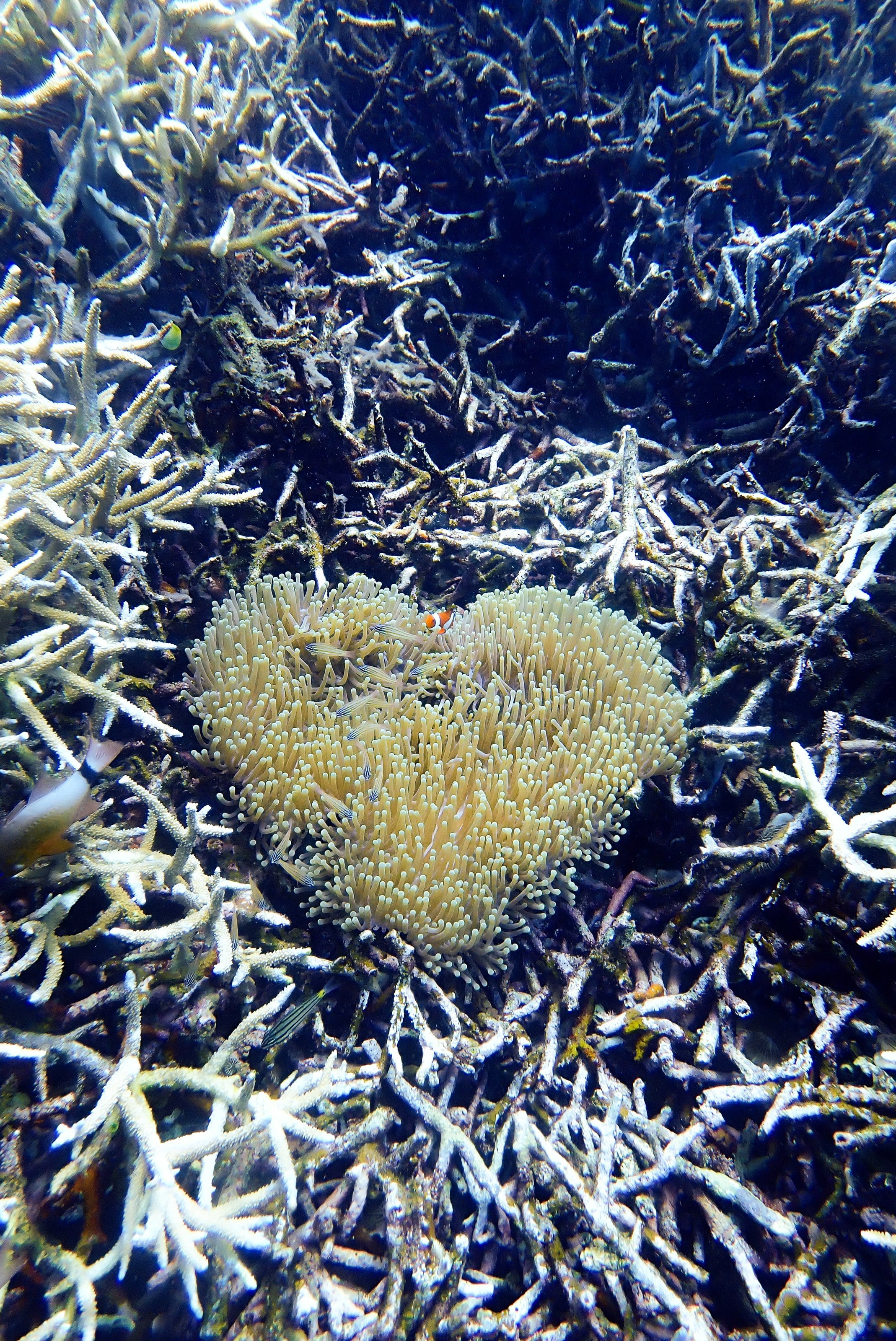
Diving is a practice that comes with responsibility. We get to visit places most people never see, and we have a duty to look after them. Teaching good buoyancy and awareness is part of that. As my own career develops, I'm in the early stages of building a separate venture focused on reef restoration — the logical extension of teaching divers to care for the places they visit.
 03
03North of Ordinary
Why North of Ordinary
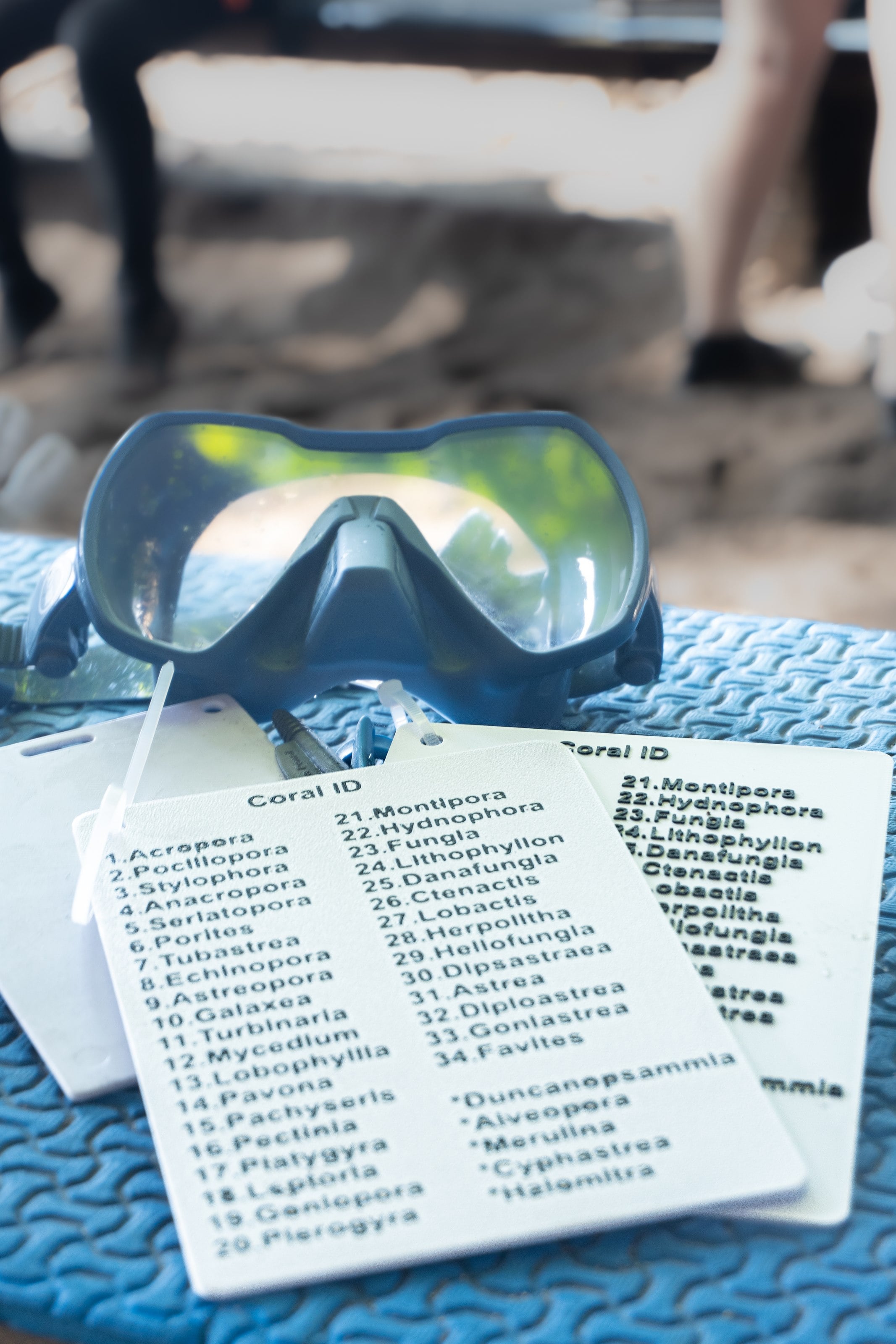
Every course we run is private, planned around your schedule, and built around the time it actually takes to learn diving well. Knowledge development sessions in person, , and bonus dives beyond the required number — the elements that turn a good course into a holistic one. This is what North of Ordinary means in practice.
If you'd like to learn this way, we'd be glad to hear from you.