— Training —
How Deep Can You Dive With an Open Water Certification?
7 min read
With a PADI Open Water certification you're trained to dive to a maximum of 18 metres (60 feet) — or to the deepest depth you reached in training, if that was shallower. Advanced Open Water extends that to 30 metres, and the Deep Diver specialty to 40 metres, the recreational limit. Other agencies' entry-level courses sit at the same 18 metres. Those are the numbers; what's more interesting is why they're there, and what actually changes as you go deeper.
Why this question comes up so often
It's usually one of the first things people ask, and it tends to come from two directions. New divers want to know what their card lets them do on holiday. Slightly more experienced ones have just watched the rest of the boat drop to 25 metres to see something they couldn't, and are wondering how much the line really matters. Both are fair questions, and the honest answer sits somewhere between "it's just a number" and "never go a metre past it."
Depth limits by certification level
- Open Water Diver — 18 m (60 ft), or the deepest depth reached in training if shallower.
- Junior Open Water, ages 10–11 — 12 m (40 ft), diving with a parent, guardian or dive professional.
- Junior Open Water, ages 12–14 — 18 m (60 ft), with a certified adult.
- Advanced Open Water Diver — 30 m (100 ft), after the Deep adventure dive.
- Deep Diver specialty — 40 m (130 ft), the recreational diving limit.
- Beyond 40 m — technical diving, with its own training, gases and equipment.
These are PADI's figures; other recreational agencies use very similar steps. The point of the ladder isn't bureaucracy — each rung is meant to match the depth you dive to the training and experience you've had for it.
Is the 18 metre limit a law?
Generally, no. In most places it's a training recommendation, not a legal limit: your certification says what you've been trained for, and the agency's advice is that Open Water divers stay above 18 metres until they've had more training. In practice it's enforced in other ways. Dive centres look at your card and plan which dives you can join around it, guides will hold you to the depth your training covers, and some dive insurance policies tie their cover to your certification or to set depths — so it's worth reading yours before you assume you're covered deeper.
What actually changes as you go deeper
The limit makes more sense once you see what depth does to a dive. Four things change, and they all change in the same direction.
Your gas runs out faster. Each breath at depth is denser. At 18 metres the pressure is 2.8 bar, so a tank lasts roughly a third as long as it would at the surface; at 30 metres it's 4 bar, a quarter. A comfortable air margin at 12 metres can become a tight one at 25 — which is exactly why it helps to know your own SAC rate.
Your no-stop time shrinks. On air, PADI's dive planner gives about 56 minutes of no-stop time at 18 metres and about 20 at 30 metres. Deeper dives are shorter dives, and the margin for a slow ascent or a lost buddy gets thinner. (This is where nitrox earns its keep — and where your computer's conservatism settings start to matter.)
Narcosis creeps in. Nitrogen under pressure has a mildly intoxicating effect on the brain. Research suggests unpractised tasks can be impaired from as shallow as 10–20 metres, and by around 30 metres most divers on air are affected to some degree — slower thinking, poorer judgement, sometimes a false sense of calm. It varies between people and from day to day, with cold, fatigue and anxiety making it worse, and it fades as you ascend.
Problems are further from the surface. A free-flowing regulator, an equalisation problem or a moment of panic is simply harder to solve at 25 metres than at 10, because the surface — the easy exit — is further away and an ascent has to be controlled.
None of these is dramatic on its own. The point of training is that each one is something you learn to plan for — gas, time, your own head — before the depth asks you to.
Do you need to go deeper than 18 metres?
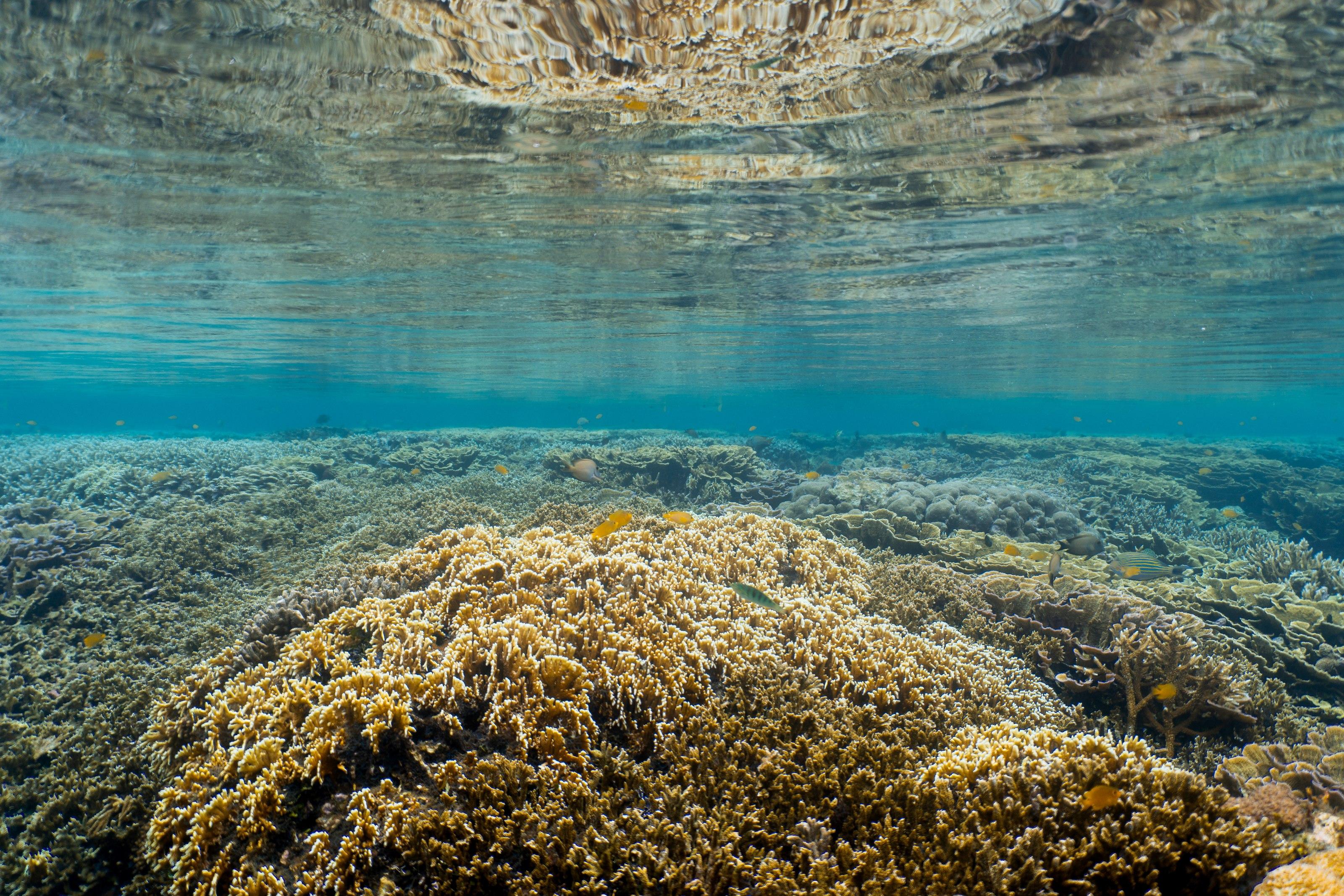
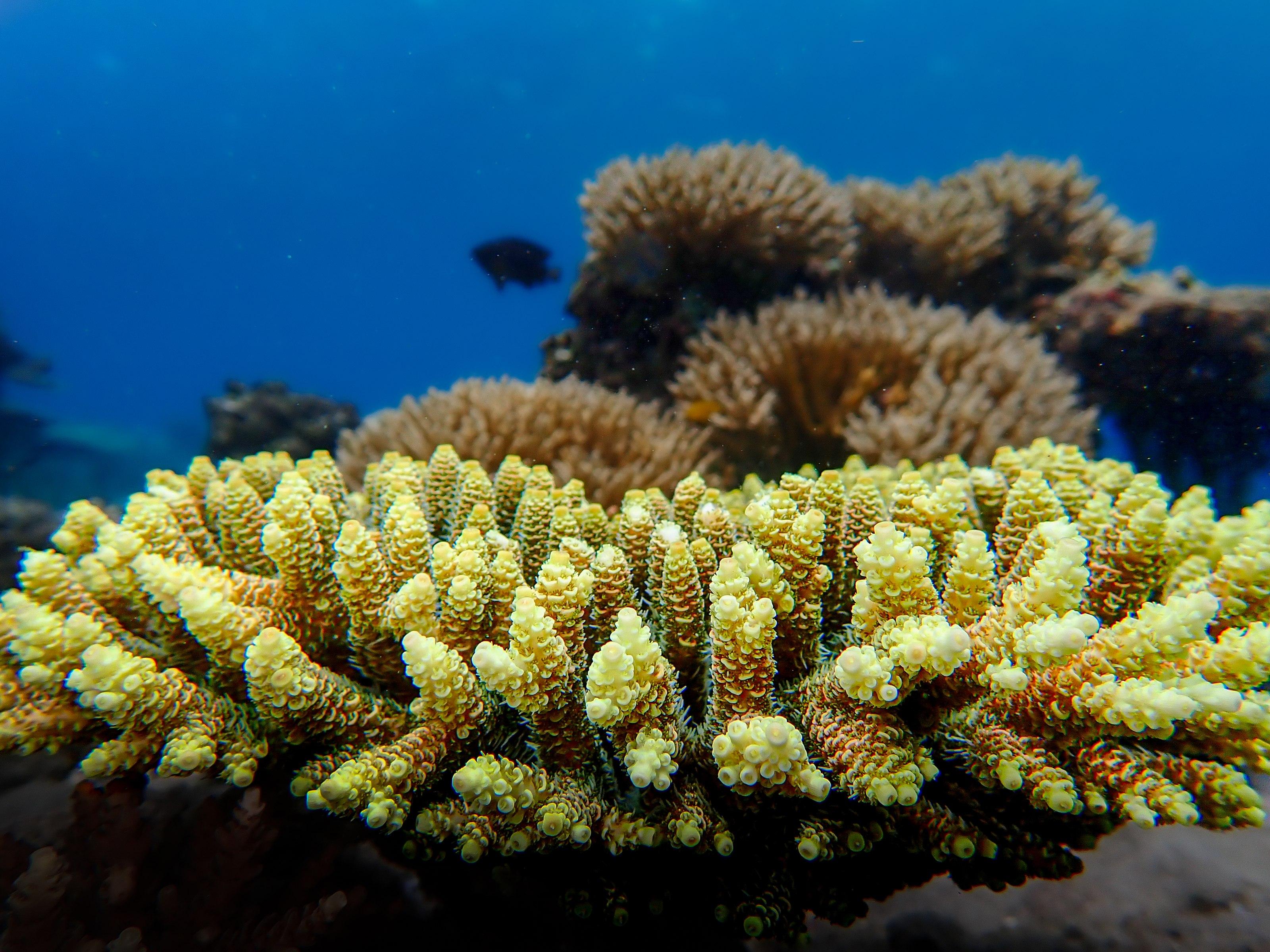
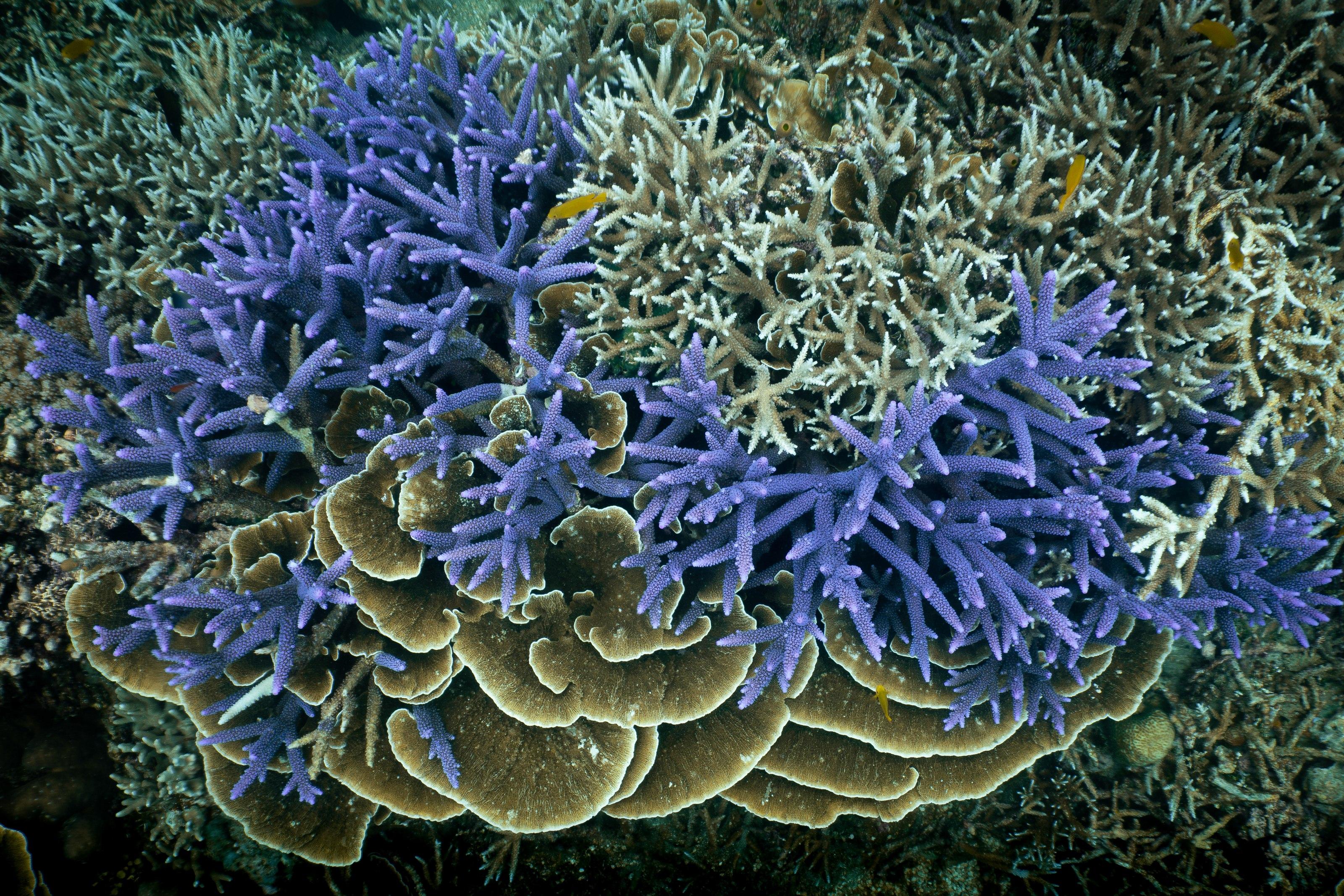
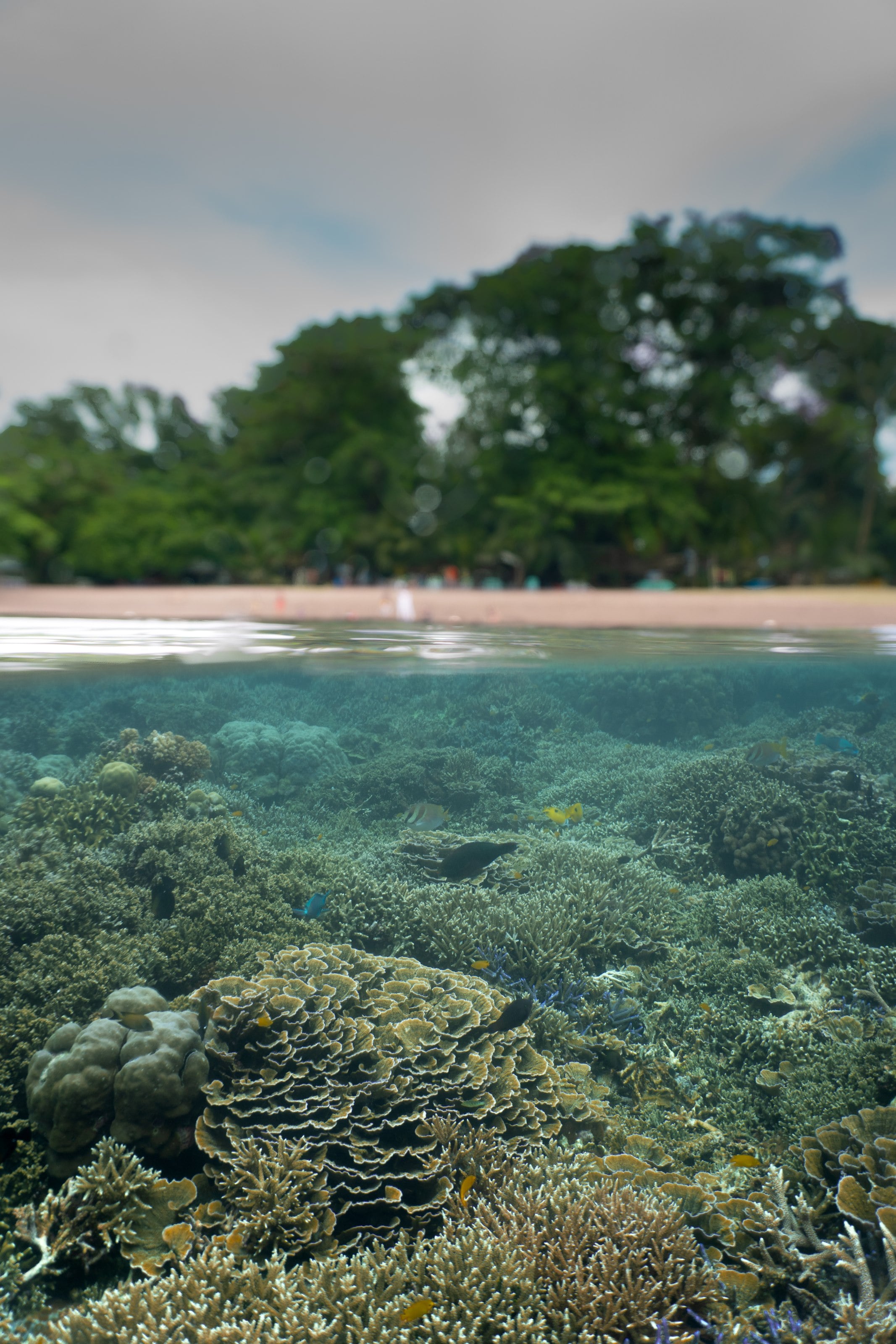
Less than you might think. Light fades and colour drains out of the water with depth, and a great deal of reef life — the corals, the fish that live on them, the macro subjects most divers travel for — is concentrated in the shallow, sunlit band. Many of the world's best-loved dives never pass 18 metres, and plenty of experienced divers spend most of their time well above it.
Where depth does open things up is on walls, pinnacles, wrecks and in places where the big animals sit a little deeper — the Similans are a good example, where many of the granite boulder sites run from the shallows down past 30 metres. If your trips are heading that way, more training starts to make a real difference to what you see.
How to go deeper, properly
The usual route is Advanced Open Water, which includes a deep dive to 30 metres with an instructor, alongside navigation and three other kinds of diving. After that, the Deep Diver specialty takes you to 40 metres with proper gas planning and narcosis management. You don't need to rush either — but it's worth doing the training before the dive that needs it, rather than discovering the gap at 24 metres.
Experience matters as much as the card. A diver with 30 relaxed dives at 15 metres, good buoyancy and a steady air consumption is better placed to go deeper than one with a fresh Advanced card and five dives behind them. The progression works best when the two grow together.
My take
Having laid that out — I'm genuinely relaxed about new divers staying shallow for a while. Plenty of the best diving anywhere happens above 12 metres, and the divers who become really good are usually the ones who spent their early dives getting comfortable rather than getting deep. When the diving you want to do starts pulling you below 18 metres, that's the moment for more training — not to collect a deeper number, but so the extra depth comes with the skills to enjoy it.
Dan Lipton · PADI Staff Instructor
If you're starting out, our Foundation course is where that groundwork happens; if you're ready for the next step, we'd be glad to talk it through.
Sources (6)
- PADI — “How Deep Can Open Water vs Advanced Divers Go?”, PADI Blog. blog.padi.com (18 m Open Water, 30 m Advanced Open Water, 40 m Deep Diver as the recreational limit).
- PADI — “Junior Open Water vs Open Water,” PADI Blog. blog.padi.com (junior depth limits by age; advice that Open Water divers stay above 18 m until further training).
- PADI — “PADI Advanced Open Water Diver FAQs,” PADI Blog. blog.padi.com (course structure and Deep adventure dive).
- Clark JE — “Moving in extreme environments: inert gas narcosis and underwater activities,” Extreme Physiology & Medicine, 2015;4:1. doi:10.1186/s13728-014-0020-7 (impairment of unpractised tasks from 10–20 msw; contributing factors; ascent as management).
- PADI Recreational Dive Planner (air) — no-stop limits at 18 m and 30 m.
- Boyle's law and gas density at depth — general reference: NOAA Diving Manual.
Next step
A question this didn’t answer?
Ask a question